





Story · Miami Beach · draft
Alien workers of Miami Beach
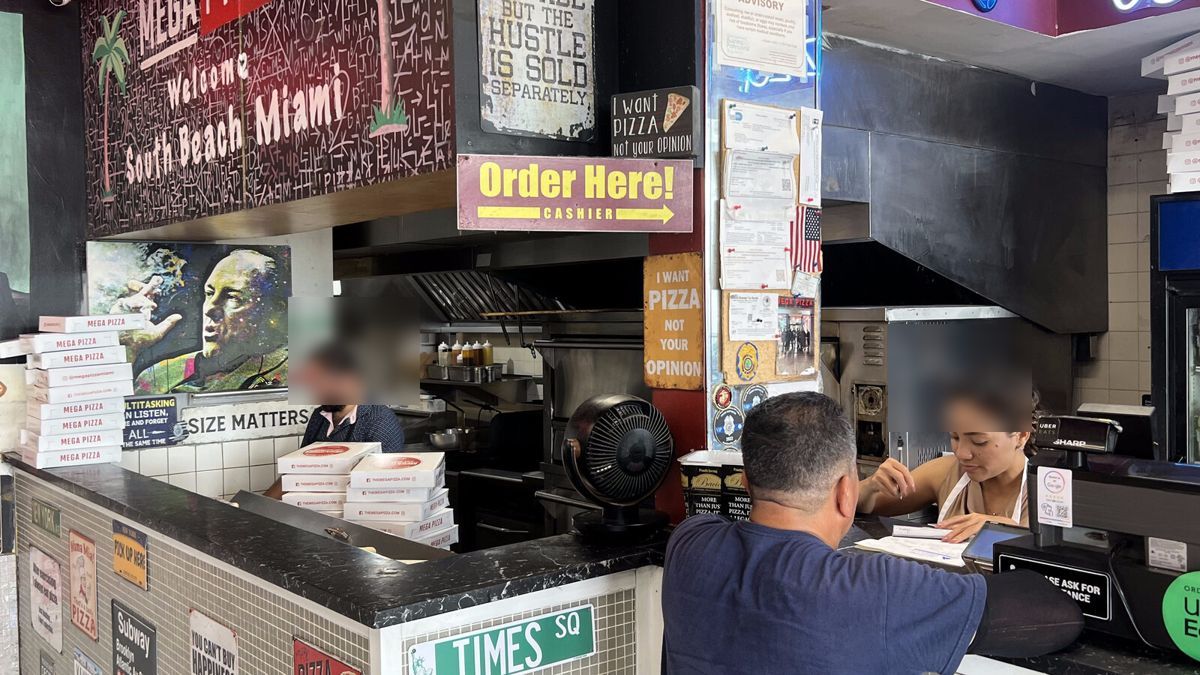
More than half of Miami is foreign-born, the highest share of any major U.S. city. Here is what happens to Miami Beach when those workers disappear.
An economy that runs on immigrant labor
- More than half of Miami's population is foreign-born — the highest share of any major US city. Florida overall has the third-largest immigrant workforce in the country: over 3.5 million people, roughly 30% of the state's labor force, contributing an estimated $179 billion a year to the Florida economy. Nearly 1 million workers lack legal status or hold only temporary protections — about 8% of the state's workforce, among the highest shares in the nation. [fwd.us] [bloomberg.com]
- The Immigration Research Initiative, in numbers the Miami Herald commissioned for Florida specifically: about 36% of all Florida construction workers — 150,000+ people — are undocumented or on TPS/parole. Another 180,000 work in services (cleaning, home care, manicurists, landscaping) and 85,000 in factories, transport and delivery. If all of them were removed, Florida's economy would shrink and 80,000+ additional workers would lose their jobs — dishwashers vanish, restaurants shrink, and managers go down with them. [miamiherald.com]
The TPS time bomb — the biggest Miami-specific shock
This is the story most acute right now for Miami-Dade, Broward and Palm Beach:
- On July 27, 2026, work permits for roughly 330,000 Haitians expired after the Supreme Court's 6–3 ruling in Mullin v. Doe (June 25) stripped courts of the power to review the DHS Secretary's decisions ending TPS. About 158,000 Haitians in Florida held TPS, the majority concentrated in South Florida. Florida had the largest TPS population in the country — nearly 404,000 people, more than half Venezuelan, a third Haitian. [whatjobs.com] [wlrn.org] [usatoday.com]
- The effects were immediate and documented by name: Fort Lauderdale airport vendors lost 132 TPS employees; Jackson Health System (Miami-Dade's public hospital network) lost 50 staff; nursing homes like Westminster Communities let go of certified nursing assistants, dining and housekeeping staff. A Florida State University researcher estimated the Haitian TPS loss alone could cost the state up to $4 billion in GDP plus about $1 billion in turnover costs to recruit replacements. [whatjobs.com]
- Elder care is Miami-Dade's quiet crisis. Immigrants make up 64% of Florida home health aides; roughly 36,350 Haitians work on the state's healthcare front lines as CNAs and home health aides. Palm Beach County — home to 68,000 residents of Haitian descent — faces understaffed nursing homes, homebound patients losing daily assistance, and hospitals absorbing the overflow. The Florida Health Care Association's CEO warned there are already thousands of unfilled long-term-care positions and "replacing these workers is neither immediate nor easy." [usatoday.com]
- Venezuelans got a partial reprieve in 2025 when a federal judge kept their TPS intact — at the time, economists noted Florida had only 53 available workers per 100 open job openings, and that ending TPS would tighten South Florida labor markets "like a taut rope" in construction, healthcare and hospitality. Since then the administration has revoked TPS for 13 countries including Venezuela, leaving roughly 1.3 million people undocumented and removable. [palmbeachpost.com] [usatoday.com]
- One telling anecdote from Palm Beach: a reconstruction contractor juggling four active projects (each over $50,000) was left scrambling when employees announced they'd quit because they were losing TPS or parole status. [palmbeachpost.com]
Construction: strong demand, missing hands
- Miami-Dade construction employment fell 1.6% to 60,200 jobs even while demand for projects stays strong — a "cautious hiring climate" experts tie directly to labor-market tightening and immigration enforcement. In Florida, immigrants fill 52% of all construction trade occupations, so the sector is maximally sensitive to policy shifts. [22miami.com]
- Prices confirm the squeeze: Miami-Dade construction wages grew 7.2% in 2025 alone, labor runs 25–40% above central and north Florida rates, and the county's hurricane-hardening (HVHZ) code already adds 5–10% to costs before the labor-shortage premium. New residential permits were up 35% year over year — demand is there, hands are not. [jorgeguanche.com]
- Statewide context (estimate from a migration-news site, not official data): about $20 billion in Florida projects delayed, costs up 22%, and hurricane rebuilding alone needs ~100,000 workers a year, 30% of them immigrants. Miami-Dade, as the densest construction market, feels every bit of that. [visaverge.com]

Tourism: records on the surface, thin staffing underneath
The irony of the Miami Beach economy is that it's booming and straining at the same time:
- Miami-Dade welcomed a record 28.3 million visitors generating $32.2 billion in economic impact — $22.7 billion in visitor spending (+4.1%) and over $12 billion in hospitality wages. Tourism supports 209,000+ jobs, and famously pays modestly: around $55,000 average, which the county itself classifies as low-to-very-low income. These are exactly the jobs — housekeeping, bussing, kitchen, cruise-port logistics — most dependent on immigrant labor. [travelandtourworld.com] [miamiandbeaches.com] [floridapolitics.com]
- So while visitor numbers hold up (helped by the 2026 World Cup spotlight and the convention center hotel), the industry is quietly cutting: the national pattern of reduced housekeeping frequency and trimmed restaurant operations applies fully here. FAU's hospitality program director predicted exactly this — a shrinking pool of workers "to clean rooms and bus tables." [palmbeachpost.com]
The enforcement machine
- Florida is the only state where all 67 county sheriffs signed 287(g) "task force" agreements — the street-level model that lets deputies question immigration status during routine policing. 272 of 394 law enforcement agencies now have agreements; the state has approved ~$148 million to fund it. [police1.com] [cbsnews.com]
- Miami is fighting itself over it: the City Commission signed a 287(g) agreement in 2025 despite public outcry. Mayor Eileen Higgins says she supports ending it, but the city attorney warned rescinding would cost the city ~$7.5 million in state funding, and the commission hasn't mustered the three votes needed. Only two Miami police officers are even trained under the program. Key West tried to leave the program and was threatened with removal from office by the state attorney general. [miamiherald.com] [wusf.org]
- The Miami Immigration Court now has 137,373 pending deportation cases — the largest backlog of any immigration court in the United States as of July 2026 (figure from a migration-news site; check against official court data). County Mayor Daniella Levine Cava and business leaders have publicly warned that mass proceedings plus TPS terminations could trigger labor shortages in healthcare, construction and hospitality. [visaverge.com]

Shoppers and remittances: Miami's double exposure
This is the part most people don't connect:
- The shoppers are the target population. Coca-Cola, Constellation Brands (Modelo) and Colgate-Palmolive all reported weaker North American sales because Hispanic shoppers pulled back — Constellation's CEO said over half of Hispanic consumers are worried about immigration issues and job losses in Latino-heavy industries. In a majority-Hispanic metro, that's a first-order local effect, not a distant statistic. [cnbc.com]
- Remittances are shrinking. US remittances to Latin America and the Caribbean (nearly $170 billion in 2024, 80% from the US) are flattening as deportations rise and senders disappear — growth could fall to half the 2024 rate. Haiti depends on remittances for 19% of its GDP, Jamaica for 18% — and much of that money flows through Miami's Western Union counters and Little Haiti barbershops before it ever leaves the country. [thedialogue.org] [migrationpolicy.org]
- There's also a local fiscal angle: Florida's TPS population alone earned $3.2 billion in household income with $2.6 billion in buying power (2022 data) — income that flows into Miami-Dade rents, retail and sales tax. [palmbeachpost.com]
What it means for Miami Beach
- Housing and renovation: anyone planning construction or renovation should expect quotes rising beyond the normal Miami premium — labor scarcity is already priced in, and HVHZ trades (roofing, HVAC) are the hardest to book. Timelines will stretch.
- Services: the visible signs are subtle — slower restaurant service, reduced housekeeping, stretched elder-care availability. The caregiver shortage is the one that touches families personally, not just economically.
- Timing of the shock: the TPS terminations of July–August 2026 are already rippling through Jackson Health, FLL airport vendors and nursing homes. The full labor-market effect lands with a lag, so 2027 is when wage and price pressure becomes undeniable in local data.
The most interesting local wildcard: Miami's political economy is genuinely split — a historically Republican-leaning Cuban and Venezuelan exile community that supported the administration is now watching its own neighbors and workforce affected, while city government resists 287(g) and the state government forces it. That tension, more than anything, will shape whether Miami's enforcement experience softens or hardens over the next year.
The people who keep Miami Beach running
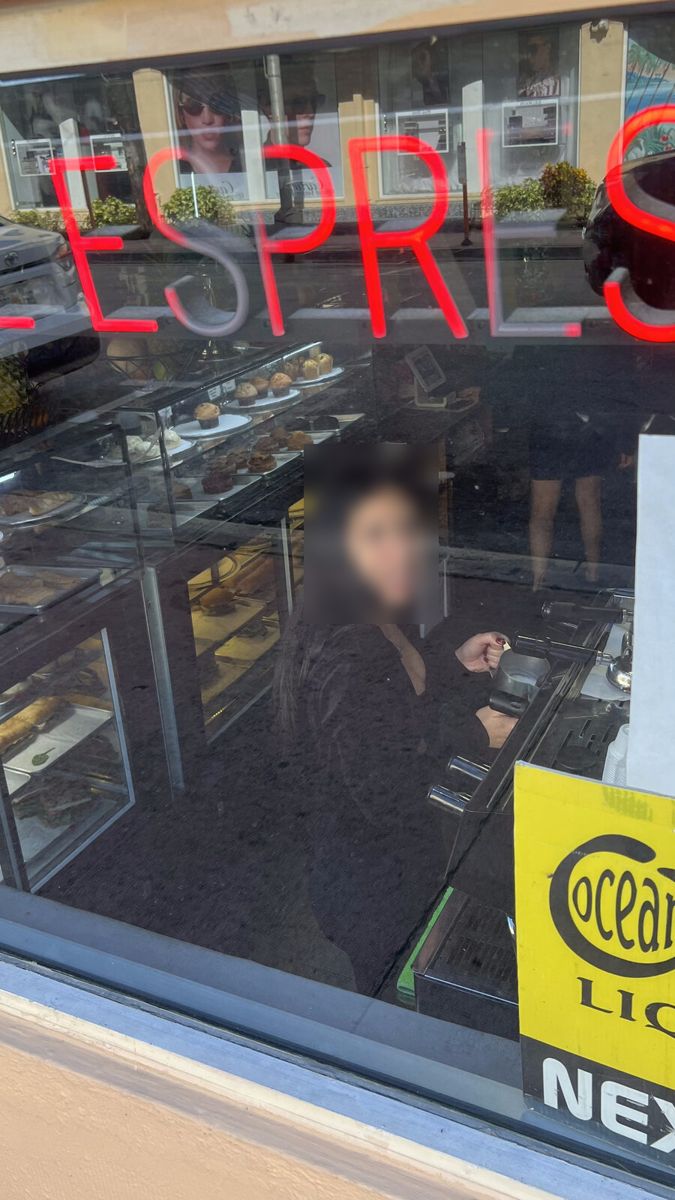
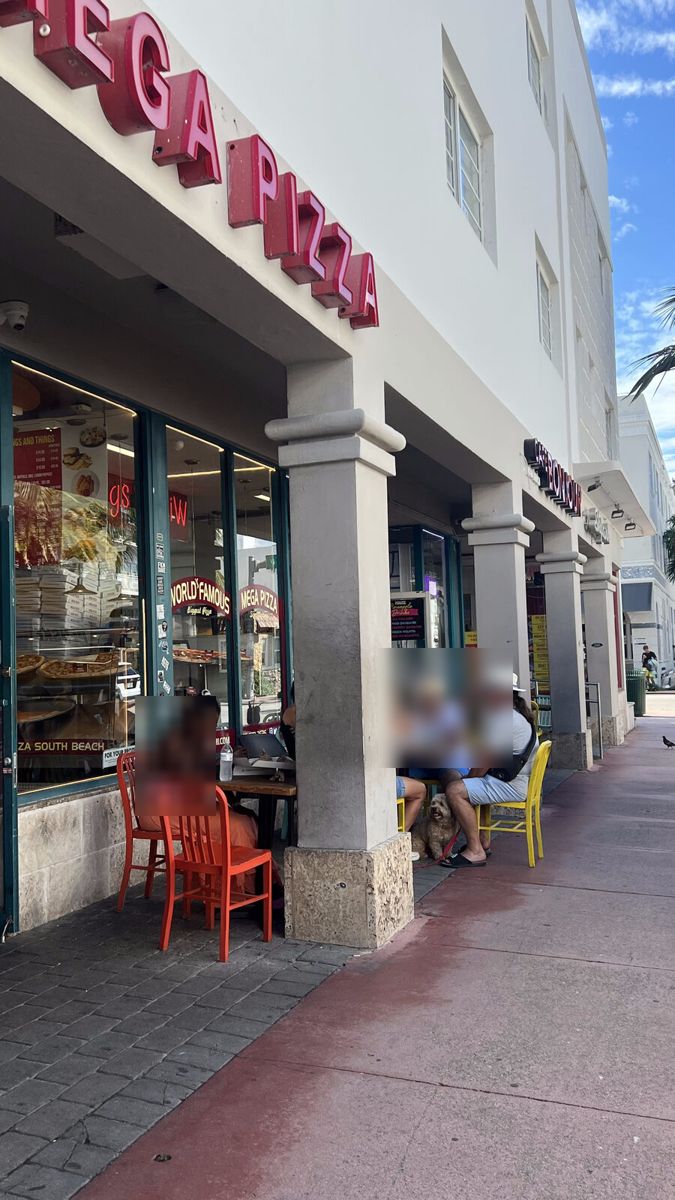
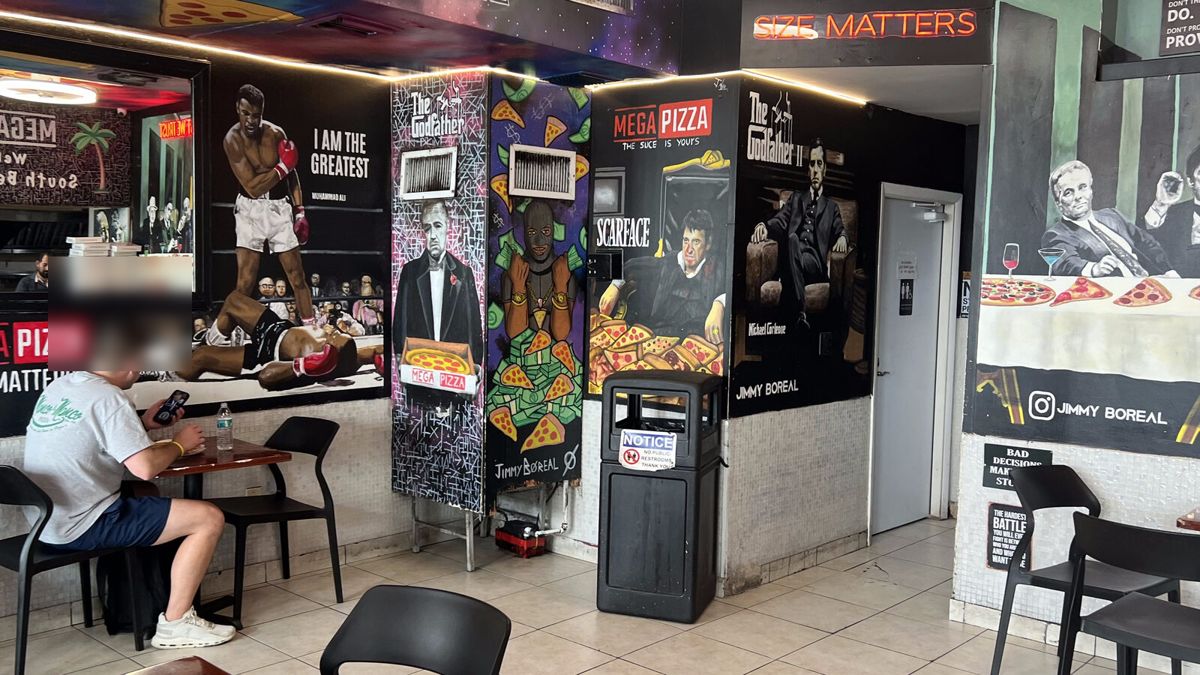
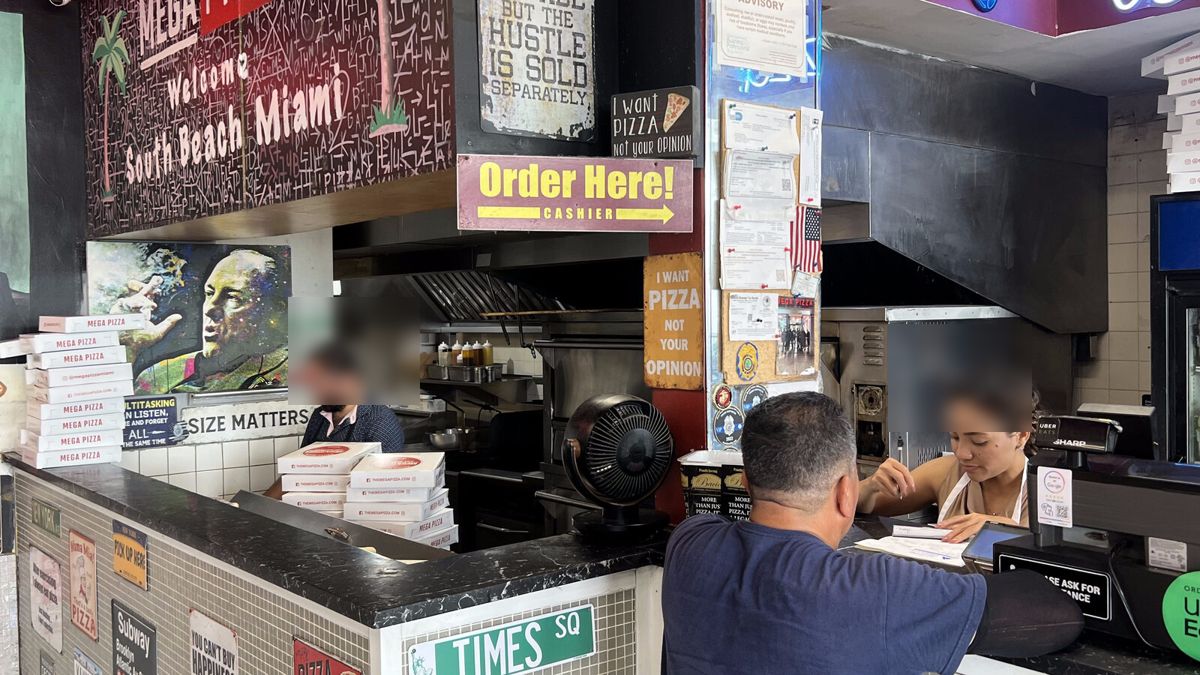
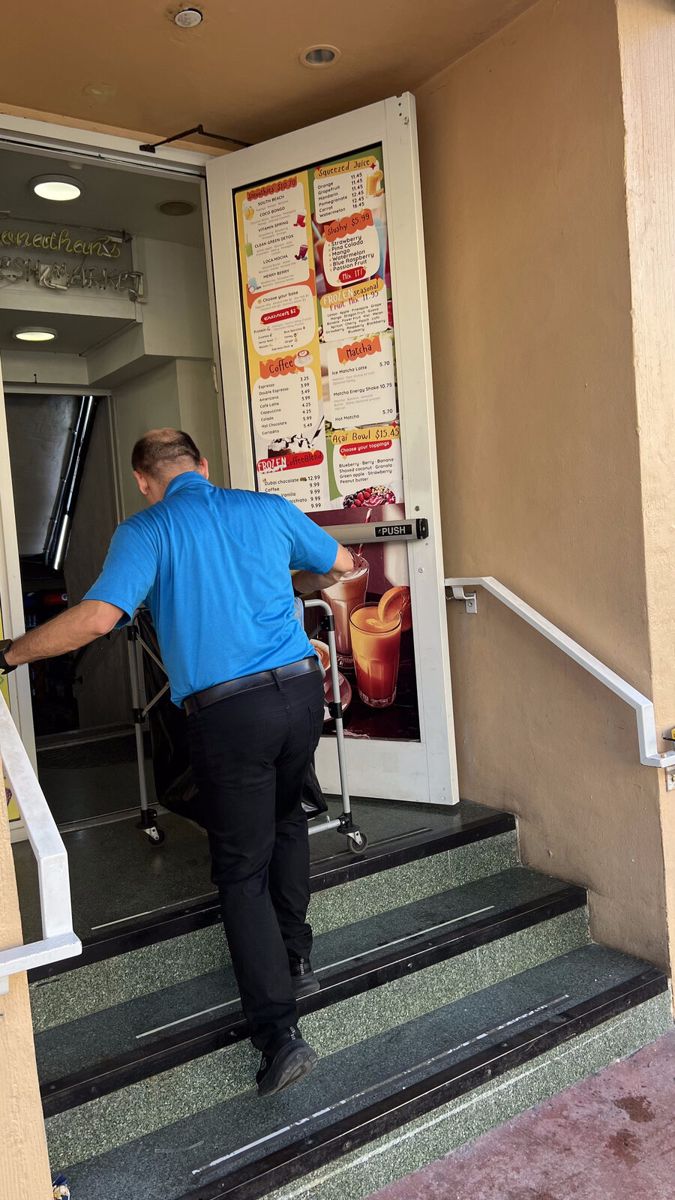
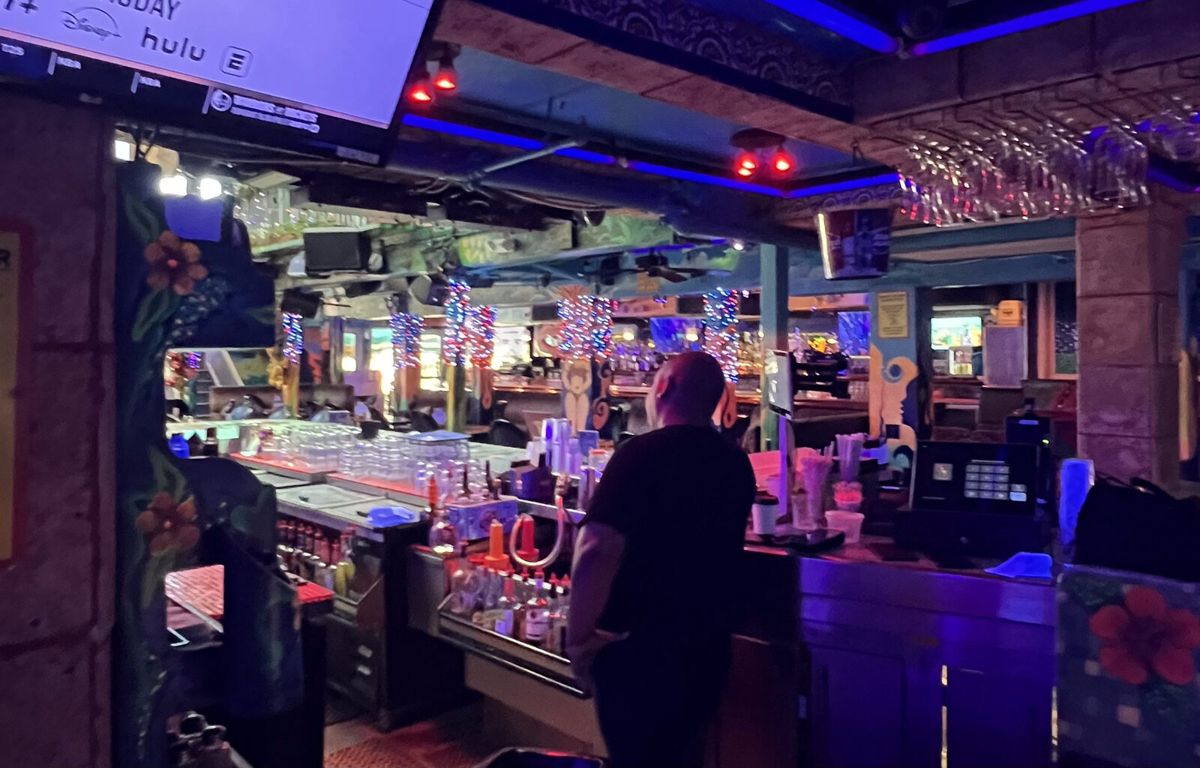
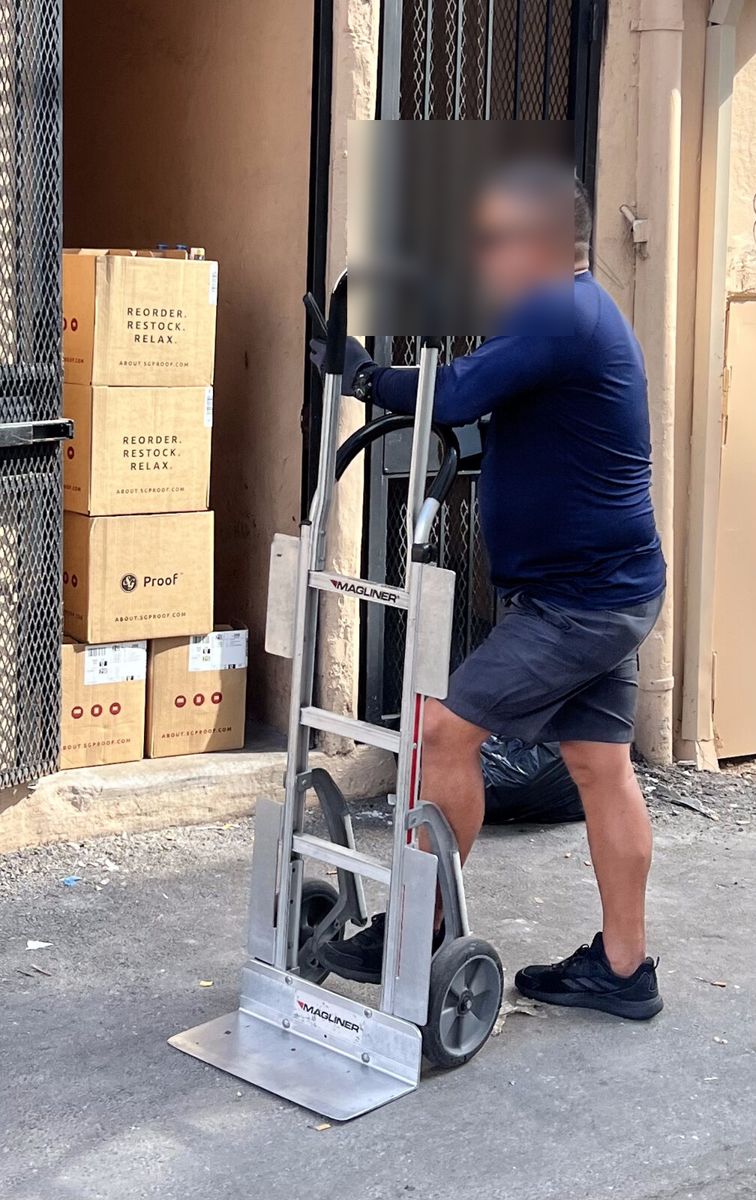
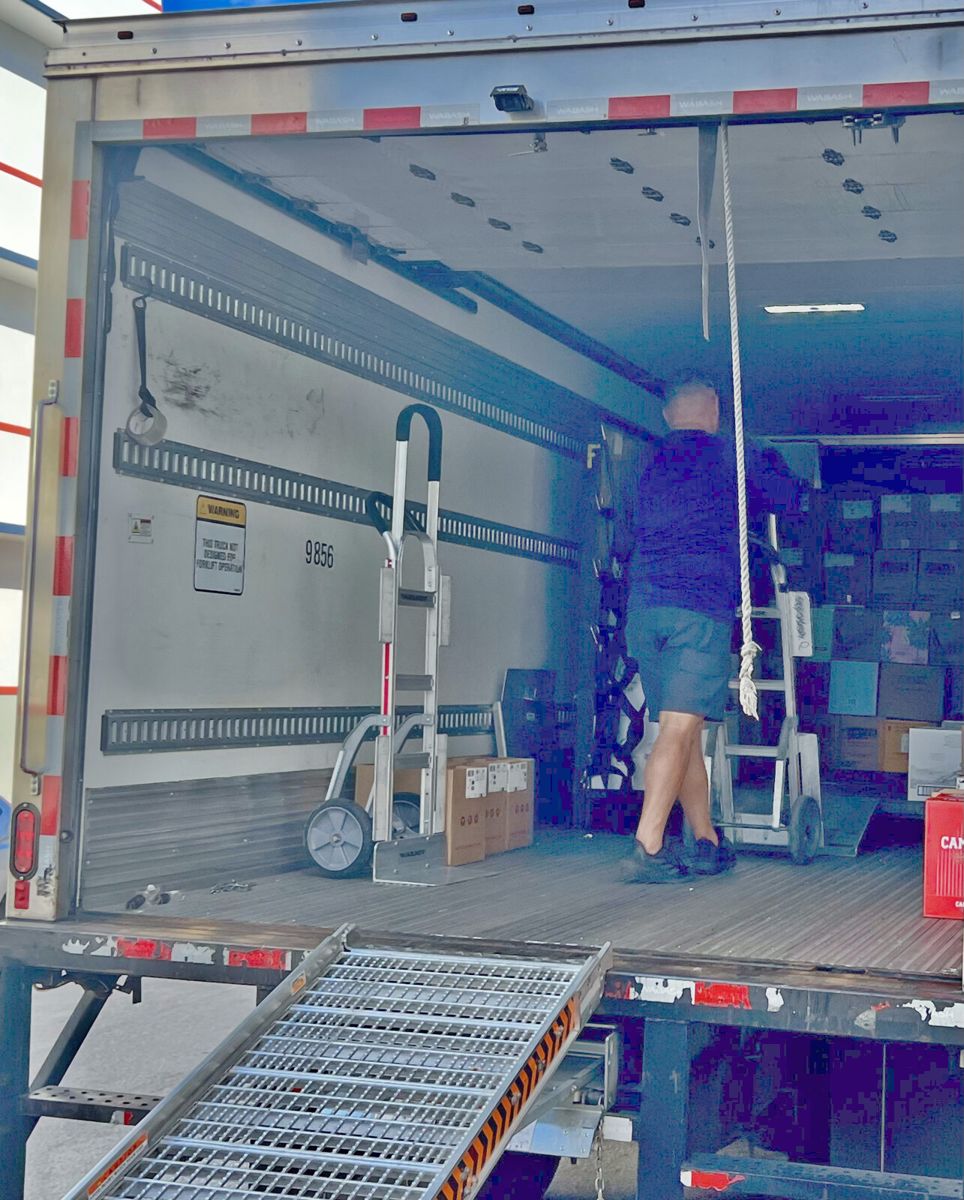
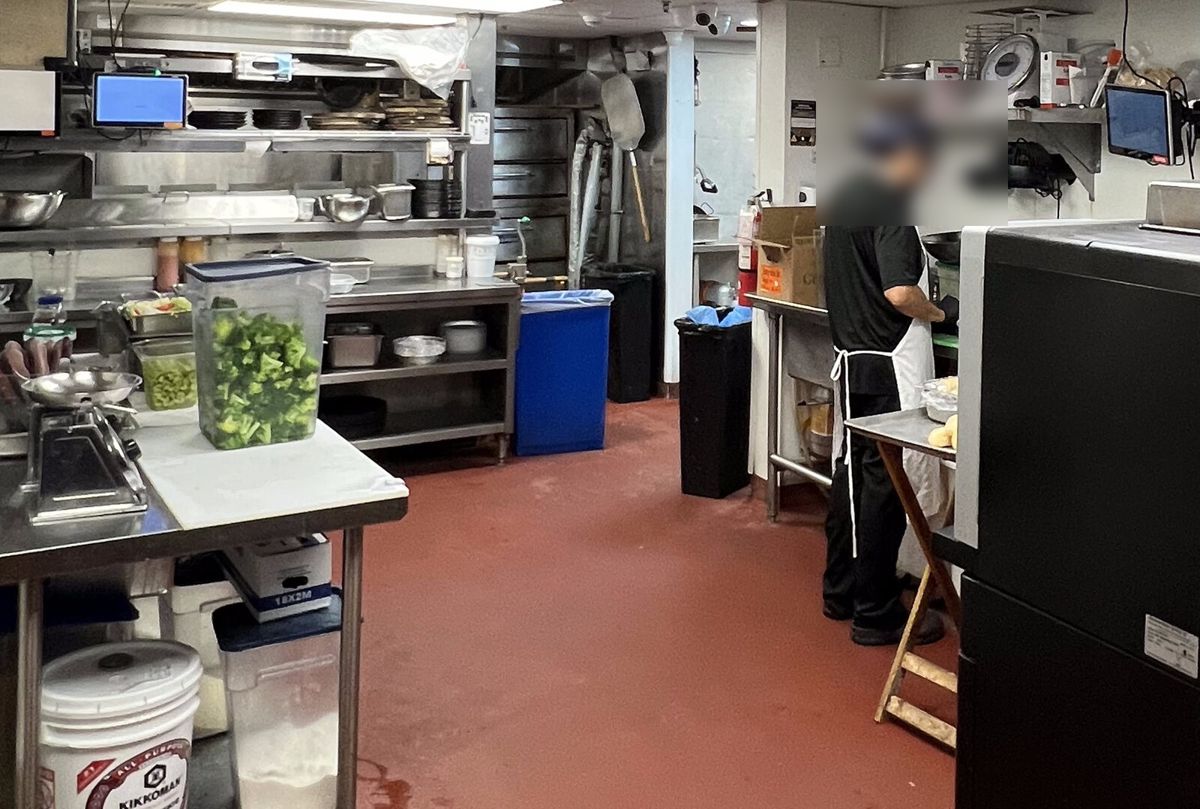
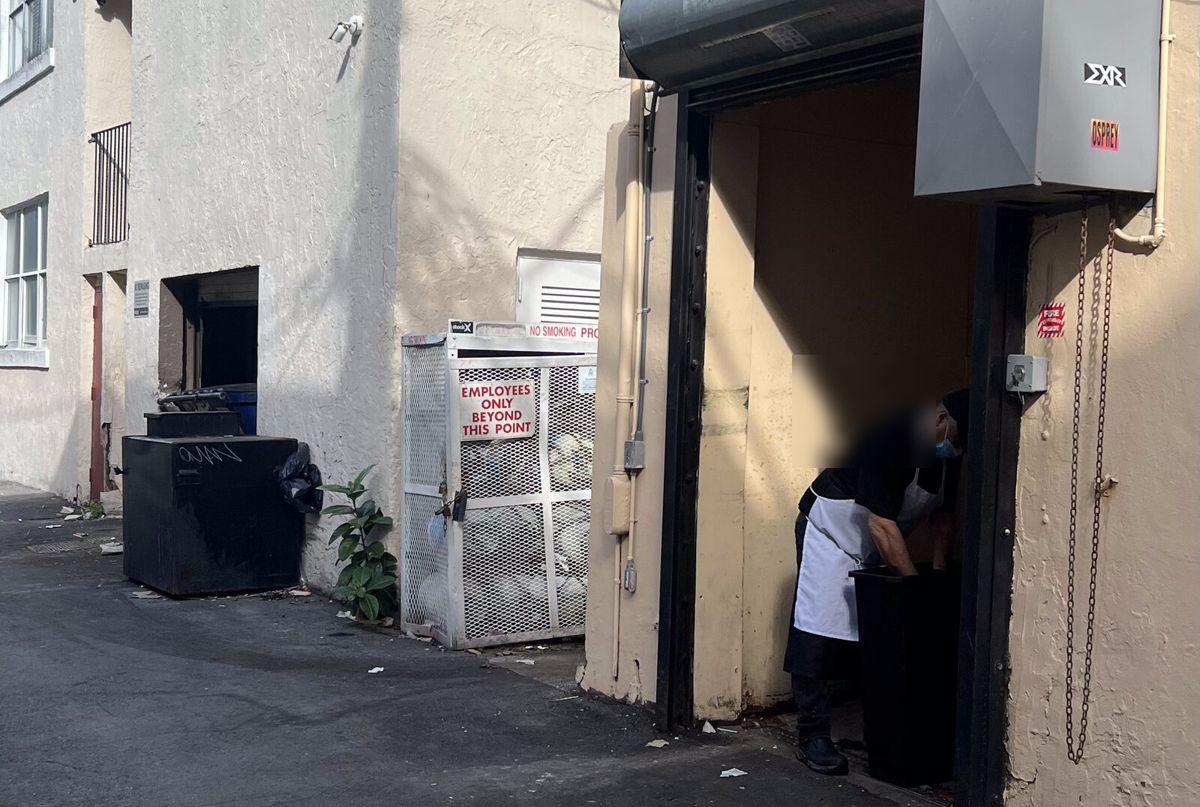
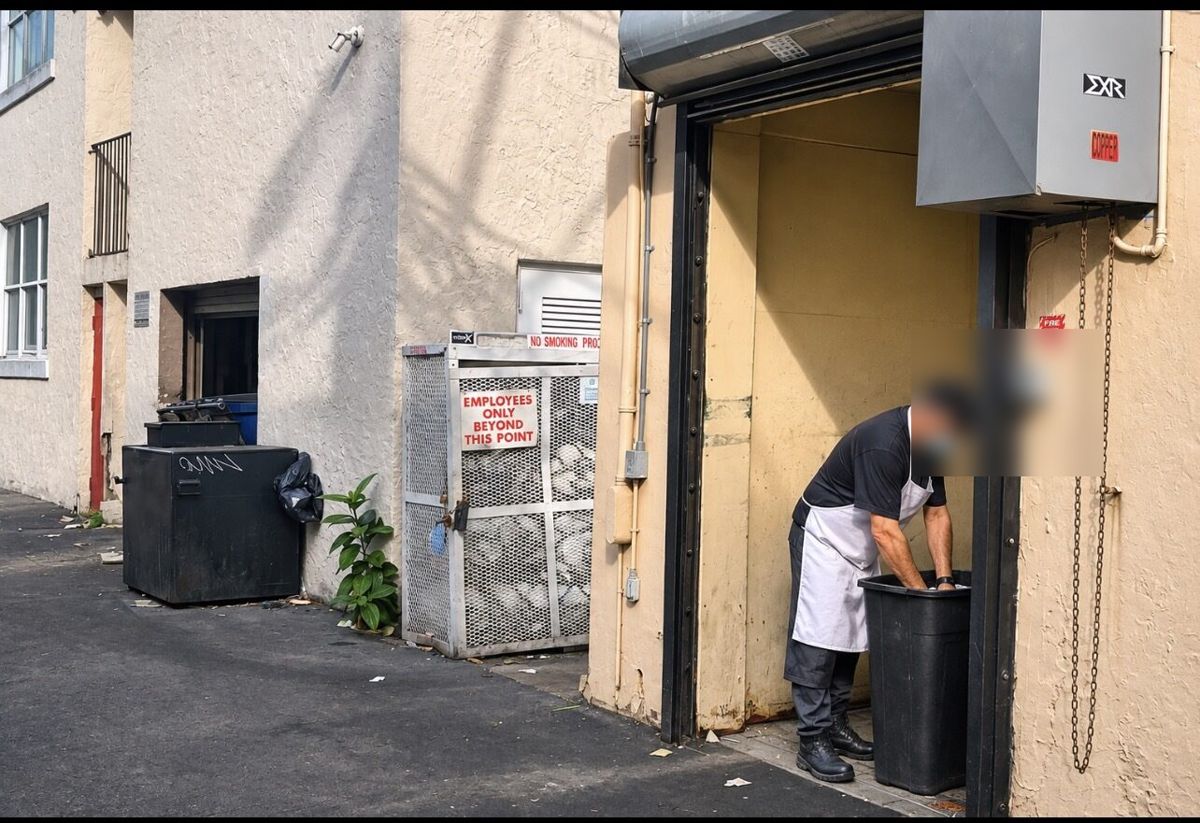
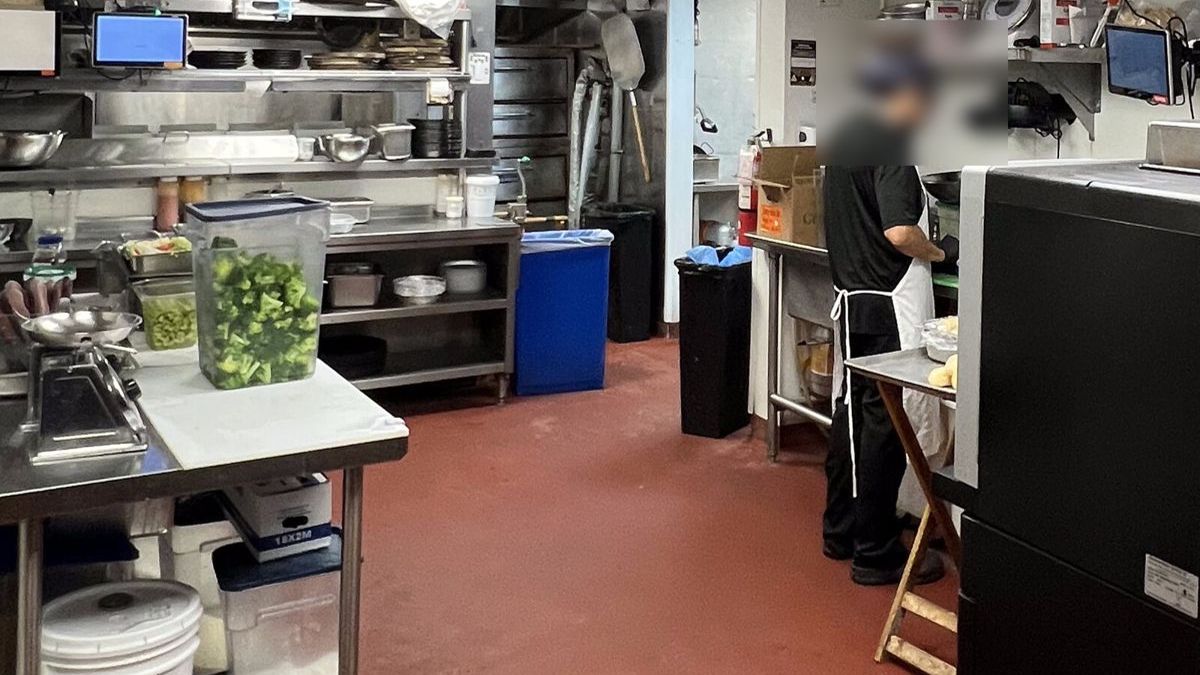
Photographed on the streets of Miami Beach, November 2026. Faces are blurred to protect the workers.