



Nuclear threat & AI · Part 3
After Shenzhen: Three Powers Promised Peace. Here Is How to Make It Real
By Michael · November 19, 2026
Prepared with the help of AI research.
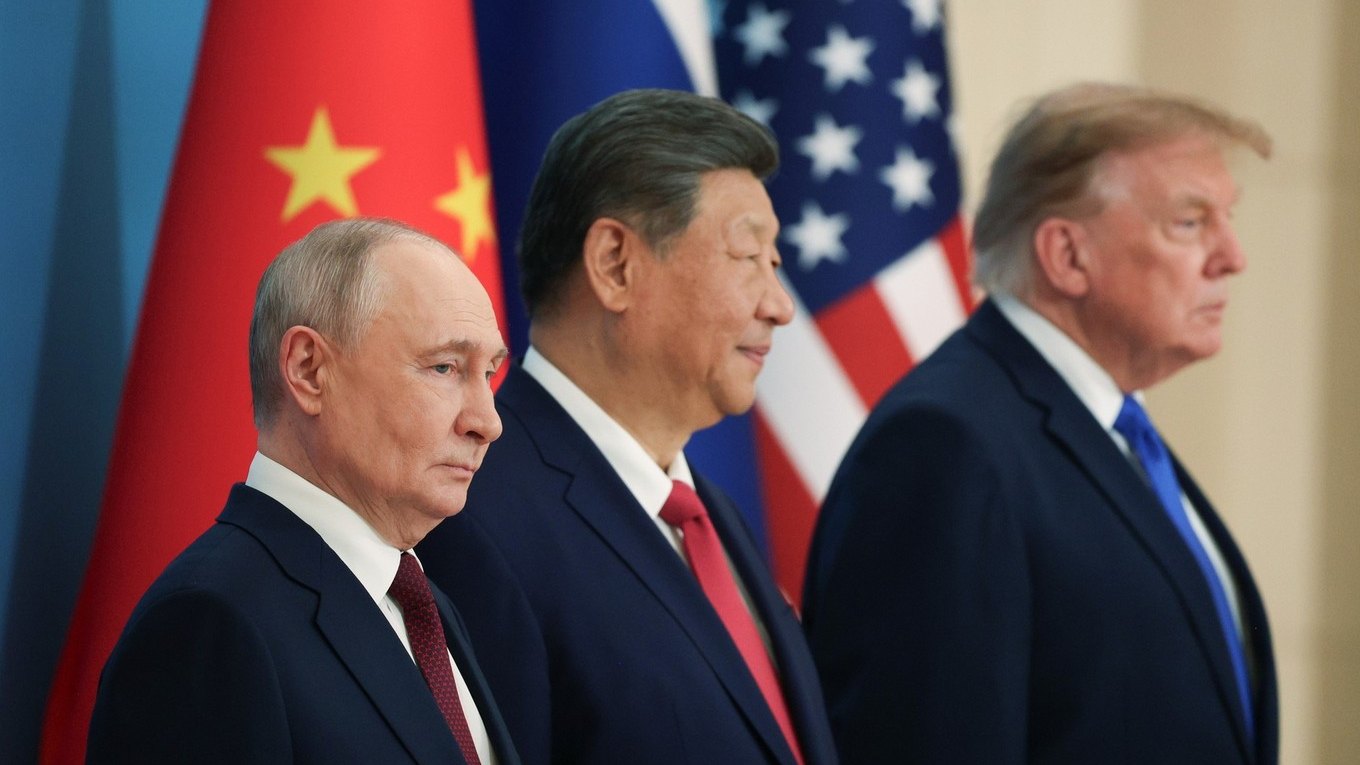
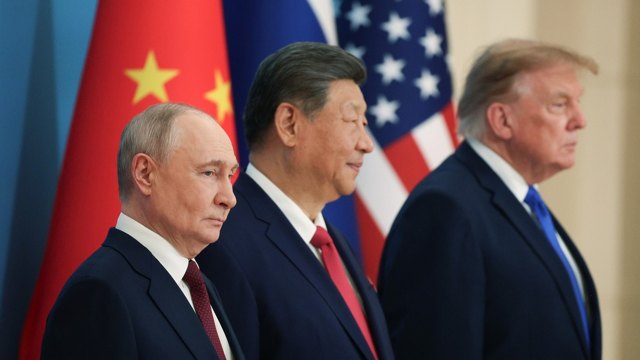
Today in Shenzhen, the leaders of the United States, China and Russia signed a short declaration promising to reform the United Nations and to talk about reducing nuclear risk. One sentence in it matters more than all the rest: a nuclear war cannot be won and must never be fought.
Reagan and Gorbachev first said those words together in 1985. Within a few years, real treaties followed that destroyed real weapons. The question now is whether today's words will be followed by anything at all. Here is how they could be.
What they agreed, and what is missing
The four-point declaration covers UN reform, more refined petroleum supply, criticism of the International Criminal Court, and a new dialogue on nuclear risk. The governments called it historic, and three nuclear superpowers talking directly is better than silence.
But the document has no timetable, no enforcement and no detailed reform plan. It does not mention Ukraine. And the three signers are permanent Security Council members, the very countries whose vetoes have kept the Council stuck. Reform written by the people who hold the keys tends to keep the locks.
The UN cannot wait for a perfect deal. It is cutting about 2,900 jobs this year because members have not paid their dues. In May, the nuclear Non-Proliferation Treaty review conference failed for the third time in a row. Promises are cheap. Tools are what turn them into safety.
Three proposals: AI as a warning and protection tool
- A shared early-warning picture. Many nuclear near-misses came from false alarms: a satellite misreading sunlight, a training tape mistaken for an attack. A jointly run AI system could cross-check sensor data from several countries and flag likely false alarms in seconds. Each side would see the same evidence at the same time.
- Independent verification. Promises about weapons mean little without checking. AI can help inspectors, such as those at the UN's nuclear watchdog, the IAEA, analyze satellite images, trade data and sensor readings far faster than people can. That makes cheating harder and trust easier.
- A smarter crisis hotline. The 1963 Moscow–Washington hotline was born from the fear of the Cuban Missile Crisis. A modern three-way channel could use AI for instant, accurate translation and to check whether a viral video or claim is a deepfake, before anyone reacts to it.
The line that must not be crossed
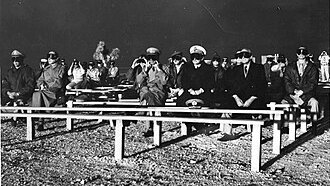
AI should warn. Humans must decide. No machine should ever be given the power to launch a nuclear weapon, or to recommend it under time pressure that leaves no room for human doubt.
The new dialogue should put this in writing, with all three powers signing: human control over every decision to use nuclear weapons.
In 1983, Soviet officer Stanislav Petrov saw a computer report five incoming American missiles. He judged it a false alarm and did not pass it up the chain. He was right. The best AI system makes more people like Petrov possible, never replaces them.
What ordinary people can do
History shows that humanity usually unites only after catastrophe. This time we have a chance to learn the lesson before the disaster, but only if people demand it.
- Ask your representatives one question: what will our country do to turn the Shenzhen nuclear pledge into concrete steps?
- Support the tools that work, like nuclear inspections and crisis hotlines, even when politics is ugly.
- Share this article. Leaders move when citizens make an issue impossible to ignore.
They said a nuclear war must never be fought. Let's hold them to it.
- The Diplomat: China, Russia, US Talk UN Reform, Nuclear Risks, and Ukraine
- Kyiv Post: Putin, Trump, Xi Joint Statement on Nuclear Talks, UN Reform
- Epoch Times: Trump, Xi, Putin Agree to Peace Declaration
- yourNEWS: Joint Declaration Calling for U.N. Reform
- ThePrint: UN on survival mode, 2026 budget cuts
- IPS: 2026 NPT Review Conference ends without consensus
Comments
No comments yet. Be the first.
Leave a comment
Every comment is reviewed before it appears. Your email is never shown. Please follow the community rules.