
Alien Channel TV · History
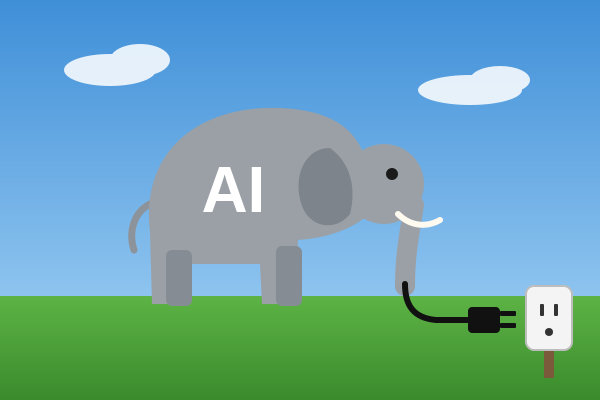
Can AI protect humanity from global atomic catastrophe?
After Hiroshima and Nagasaki, scientists knew what atomic radiation does to the human body. Yet between 1951 and 1957 the U.S. government sent tens of thousands of soldiers into the blast zone at the Nevada Test Site, and the Soviet Union did the same. Here is what we know about what happened to them.
Soldiers in the blast zone
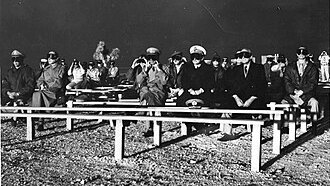
The exercises were called Operation Desert Rock, eight rounds of them from 1951 to 1957. Soldiers and Marines waited in trenches a few miles from ground zero. After the blast they climbed out and marched toward the mushroom cloud, sometimes within minutes, and some moved through areas covered in fallout.
The stated goals were to train infantry to fight on a nuclear battlefield, to test equipment and tactics, and to study the physical and psychological effect of an atomic explosion on soldiers. The men who took part later became known as the "atomic veterans."
What happened to them
Radiation badges were crude, and many individual dose records are missing. At the time, officials told the public the exposures were safe.
The largest health study, the Five Series Study (Institute of Medicine, 1999), followed about 70,000 test participants and 65,000 servicemen who were never at a test. Overall death rates were similar. Leukemia deaths were 14% higher among participants, and the increase was significant for those at the Nevada tests. The researchers said the results fit a radiation cause but are not conclusive.
Congress eventually accepted responsibility. The Radiation-Exposed Veterans Compensation Act (1988) and the Radiation Exposure Compensation Act (1990) offered payments to atomic veterans and to "downwinders." That program lapsed in 2024 and was revived in July 2025, extended through 2028, with the payment raised to $100,000.
The Soviet side
Semipalatinsk, Kazakhstan. The Soviet Union set off its first atomic bomb here on August 29, 1949. Russian accounts say more than 1,500 animals were placed in the test field. About 456 explosions followed until 1989. Kazakh experts estimate 1.5 million people were exposed to fallout. The site was closed on August 29, 1991.
Totskoye, Russia. On September 14, 1954, a Tu-4 bomber dropped a 40-kiloton atomic bomb, about twice the size of Hiroshima, which exploded 350 meters above a training ground in the Orenburg region. About 45,000 soldiers then moved into the area in a mock attack. Protection was poor, and the full story only came out of the archives in the early 1990s.
Can AI protect us?
The people who planned these exercises believed they understood the risk. They were wrong, and soldiers paid for it. That is the question AI now raises: can a machine make better decisions about nuclear weapons, or faster mistakes?
History gives one clear warning. On September 26, 1983, a Soviet early-warning computer reported that American missiles were on the way. Officer Stanislav Petrov judged it a false alarm and did not pass it up the chain. He was right. A human doubt may have saved the world.
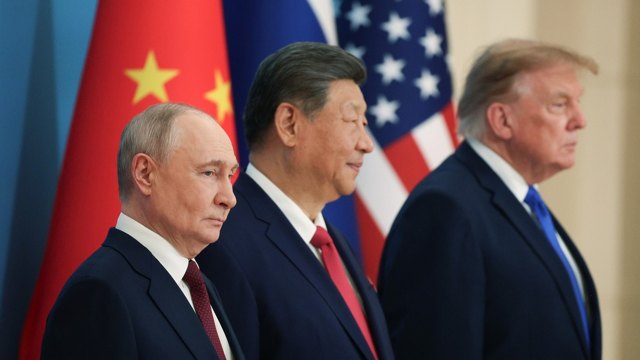
In November 2024, the presidents of the United States and China agreed that humans, not AI, should keep control over decisions to use nuclear weapons. AI can still help: spotting secret tests in seismic data, checking treaty compliance, and catching errors in warning systems. But the decision to launch must stay with people who can be held responsible.
Sources: Five Series Study summary · Arms Control Association on RECA · Totskoye nuclear exercise · Semipalatinsk Test Site · NPR on the Biden–Xi agreement
Thumbnail photo: spectators watching a nuclear test in Nevada. U.S. government, public domain, via Wikimedia Commons.

Comments
No comments yet. Be the first.
Leave a comment
Every comment is reviewed before it appears. Your email is never shown. Please follow the community rules.